Thailand Classic Tour 6 days
 Destination:
Bangkok
, Ayutthaya
, Phisanulok
, Sukhothai
, Lampang
, GoldenTriangle
, Chiang Rai
, Chiang Mai
Destination:
Bangkok
, Ayutthaya
, Phisanulok
, Sukhothai
, Lampang
, GoldenTriangle
, Chiang Rai
, Chiang Mai
Duration:6 days/ 5 nights
Price: from US0
Feature:Classic tour 6 days brings you to the natural and cultural attractions making this one of Asia’s greatest destinations. The displays of visual, performing and culinary arts are matched by a warm and welcoming culture. Our classical tour sets off from Bangkok to the central plains before heading to simple some of the wonders of Chiang Mai and Chiang Rai in the Northern region.

Not satisfied with this tour? Contact us for tailor-make tour service!
Quick Booking:
Bangkok
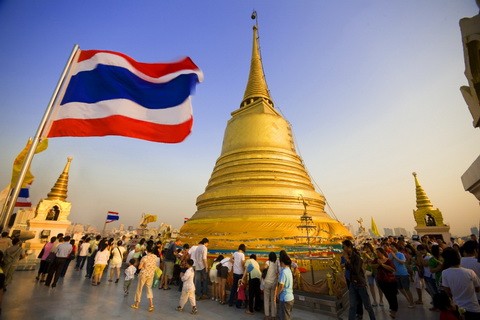
Bangkok is excess in all of its unrestrained glory. Bigger, better, more: the city is insatiable, a monster that feeds on concrete, shopping malls and diesel exhaust. The city demands that you be in the present and in the moment, not necessarily for a religious epiphany, but because the city is self-absorbed and superficial, blissfully free of wrinkle-inducing self-reflection. Smiles and sà·nùk (the Thai word for ‘fun’) are the key passports into Bangkok society. A compliment here, a joke there – the demands of social lubrication in this megalopolis are more akin to a small village than an anonymous city and a necessity for survival.
As Bangkok forcefully kneads out of you all demands for order and predictability, you’ll understand the famous Thai smile. It is the metaphorical brakes on the urban overdrive. Packed into these concrete corridors are religious spectacle, unapologetic consumerism and multi-flavoured hedonism – corrupting and purifying souls within footsteps of each other. A tragicomic confluence of human desires and aspirations best viewed through a detached smile.
Of the famous and infamous attractions, Bangkok’s best feature is its intermingling of opposites. A modern world of affluence orbits around a serene traditional core. Step outside the four-star hotels into a typical Siamese village where taxi drivers knock back energy drinks and upcountry transplants grill chicken on a streetside barbecue. Hop the Skytrain to the glitzy shopping malls where trust-fund babies examine luxury brands as carefully as the housewives inspect produce at the open-air markets. Or appreciate the attempts at enlightenment at the city’s famous temples and doorstep shrines, or simple acts of kindness amid the urban bustle.
You can jump between all of these worlds – wining and hobnobbing at a chic club, eating at a streetside market, getting plucked and pummelled into something more beautiful, or sweating profusely on a long unplanned march. Bangkok is an urban connoisseur’s dream come true.
Chiang Mai Located more than 700km northwest of Bangkok, Chiang Mai has in excess of 300 temples (121 within the thêtsàbaan or municipal limits) – almost as many as are in Bangkok – a circumstance that makes the old city centre visually striking. Thais idealise their beloved northern capital as a quaint, moated and walled city surrounded by mountains with legendary, mystical attributes. In reality, Chiang Mai is a dynamic and modern city, which has successfully managed to combine its rich history and traditions with its increasingly modern side. However, a result of this rapid development has been the rise in traffic and pollution. Environmentalists are also voicing concerns about development of the verdant and auspicious Doi Suthep mountain (1676m), located to the west of the city, and sometimes referred to as Chiang Mai’s lungs. Chiang Mai has always had many feathers to its bow with its cultural riches, relative peacefulness, fantastic handicraft shopping, delicious food and proximity to many natural treasures. Changes are afoot however, with the city becoming somewhere to watch in the style stakes. Chic, Thai-style boutique hotels are popping up everywhere, and one look at the trendsetters setting up shop (and bars and restaurants), particularly in the Th Nimmanhaemin area, shows that the city’s identity is changing. Yet, the northern capital still manages to retain the relaxed, temple-sprinkled, cultural capital atmosphere of yore, alongside these new hip happenings. With its many and varied attractions, the days of Chiang Mai just being a quick stop off point before heading to the hills are long gone. Chiang Rai The quieter neighbor of Chiang Mai, Chiang Rai is a land of outstanding natural beauty, where visitors looking to avoid the hordes can visit remote hill tribes, spot exotic wildlife, and check out the golden triangle, the former center of the world’s opium trade. Chiang Rai has been inhabited since the 7th century, but it was not until 1262 that King Meng Rai established it as the first capital of the Lanna Kingdom. The capital was later relocated to Chiang Mai and since that time Chiang Rai has lived in the shadow of its neighboring province, though for tourists this is a good thing. Today, Chiang Rai is a traveler’s paradise, endowed with abundant natural attractions and antiquities. Attractions range from ruins of ancient settlements and Buddhist shrines to magnificent mountain scenery and hill tribe villages. For those interested in the natural side of Chiang Rai, jungle trekking is a magical experience; explore the mountains of the north along various hiking trails, many of which access the villages of diverse hill tribes groups, many of whom maintain their traditional lifestyles. Chiang Rai town, which tends to be a little more ‘laid back’ than its more popular neighbor, now competes with Chiang Mai as a tourist attraction and is fast becoming a popular escape for tourists wanting to leave their troubles behind. Chiang Rai, the former capital of the great Lanna Kingdom, is a fascinating province filled with cultural and natural wonders, including the Golden Triangle where Thailand, Laos, and Burma come together; an area that was once the hub of opium production, a trade that had much influence on cultural practices and lifestyles. Chiang Rai had stayed off the tourist radar for many years, its people enjoying very leisurely development and mostly traditional, rural lifestyles. Until this day, entire clans live together in bamboo houses and each village has its own individual character. Recently tourism has boomed in Chiang Rai, where visitors have come to explore the pristine natural beauty of the countryside and immerse themselves in the indigenous culture, including those of a variety of different hill tribe communities. Fortunately for tourists, Chiang Rai is also a center for community development projects, helping rural villagers develop their attractions without adversely affecting their natural and cultural assets.
Operation : Daily departure
Duration : 6 days / 5 nights
Tour route : Bangkok - Ayutthaya - Phisanulok - Phisanulok - Sukhothai - Lampang - Golden Triangle - Chiang Rai - Chiang Mai
Brief description : Classic tour 6 days brings you to the natural and cultural attractions making this one of Asia’s greatest destinations. The displays of visual, performing and culinary arts are matched by a warm and welcoming culture. Our classical tour sets off from Bangkok to the central plains before heading to simple some of the wonders of Chiang Mai and Chiang Rai in the Northern region.
6 Days Thailand Classic Tour
Day 1
Bangkok - Ayutthaya - Phisanulok (Lunch)
Early morning pick up passengers from various Bangkok hotels, drive to Bang Pa In for a scenic boat trip to Ayutthaya. Visit Wat Panangchoen, Wat Yai Chaya Mongkol and the ancient ruins of Wat Chai Wattanaram.
Then continue to Bang Sadet village, where we will visit an orphanage. After lunch at a local restaurant, continue to Phitsanulok. Visit Wat Maha That and its highly revered Buddha statue, Phra Buddha Jinaraj. Overnight at Amarin Lagoon Hotel.
Day 2
Phisanulok - Sukhothai - Lampang (Breakfast/Lunch)
Drive to Sukhothai, where you will visit the ancient ruins at Sukhothai Historical Park; a short ride on a traditional ox-cart brings you to Wat Sri Chum with it's gigantic Buddha statue. Continue to Sri Satchanalai for lunch at Gaeng Luang Restaurant.
Upon arrival in Lampang, we take you on a 1-hour horse carriage ride through town with photo stops at two interesting temples, each which its own architectural style and history: Wat Si Rong Muang, Wat Pratu Phong. We will also visit Baan Sao Nak, a 100-year old teak-wood mansion. Overnight at Lampang River Lodge or Wienglakor.
Day 3
Lampang – Golden Triangle - Chiang Rai (Breakfast/Lunch)
Drive to the Golden Triangle. After lunch at the Imperial Golden Triangle Hotel, take a boat ride on the Mekong River, where the borders of Thailand, Myanmar and Laos converge. Continue to Mae Sai, the northern most city bordering Myanmar.
Overnight at Rimkok Resort in Chiang Rai.
Day 4
Chiang Rai - Chiang Mai (Breakfast & Lunch)
Early morning depart for Chiang Mai with a brief photo stop at Wat Rong Khun Wat Rong Khun, which is very different to any of temple you are likely to see in Thailand. The temple is almost entirely white – no other colours are used at all. Arrive in Chiang Mai at noon and check in at your hotel. Lunch at Empress Hotel. In the afternoon, visit Wat Doi Suthep, a famous landmark of the city, tucked away in the mountains at an elevation of 1,056 meters. The temple is reached by climbing 290 steps, flanked by a NAGA balustrade on both sides.
Optional evening program: Traditional Kantoke Dinner & presentation of Northern Dances.
Overnight at The Empress Chiang Mai
Day 5
Chiang Mai - Bangkok by Train (Breakfast & Lunch)
Visit Mae Saa Elephant camp and watch the skilled elephants at work.
Optional: 1-hour elephant ride. Price per person: 800 Baht.
Continue to an orchid farm for lunch, then return to town and visit the handicraft villages in Sankampheng. Transfer to Chiang Mai Railway Station. Depart by second-class air-conditioned train with sleeping berth. Overnight ON THE TRAIN.
Day 6
Bangkok
Arrive at Bangkok Railway Station in the early morning. (Transfer from Railway station to your next destination is not included in package price)
Excludes: - Other meals than mentioned in the program - All items of a personal nature such as phone calls, tips for personal services, etc. - Surcharges for compulsory gala dinners. - Optional tours.


About Halong Bay Vietnam
Guide for New Visitors
We provide service at
Find us at


Securities & Certificates


Membership at


